
Sustainable Trekking in Nepal: How Lynx Adventure Supports Local Communities on These Routes?
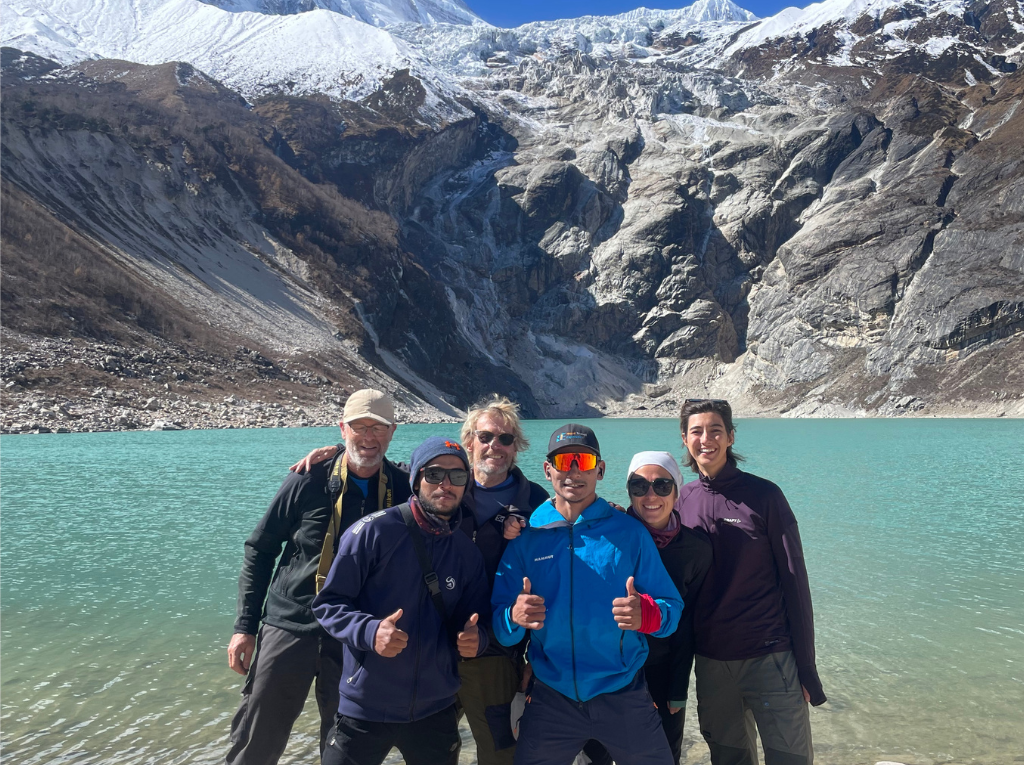
Sustainable trekking in Nepal goes beyond minimizing environmental harm,it’s about building resilient communities, preserving cultural heritage, and ensuring economic benefits flow directly to the people who live in these mountain regions. As a fully Nepal-based operator, Lynx Adventure Tour is deeply committed to responsible tourism. We integrate fair employment, community reinvestment, eco-practices, and cultural respect into every trek, particularly on Pikey Peak, Khopra Ridge, and Everest Three Passes. Our local roots mean we prioritize long-term positive impact over short-term gains.
Here’s an expanded look at how we support communities across these routes, drawing from our practices and broader 2026 sustainable trekking standards in Nepal.
1. Empowering Local Guides and Porters: Fair Wages, Safety, and Long-Term Opportunities
Guides and porters are the heart of every trek,often from the very villages along the trails. Lynx ensures they receive competitive pay (exceeding industry minimums), full insurance (medical and evacuation coverage), proper gear (warm clothing, load limits of 20–25kg max), and rest provisions.
- Pikey Peak: Sherpa guides and porters from Solu Khumbu villages (e.g., Junbesi, Phaplu) lead groups, sharing intimate knowledge of local trails and culture. This provides steady seasonal income to lower-Everest families, many of whom rely on tourism alongside farming.
- Khopra Ridge: Gurung and Magar staff from Annapurna villages (Ghandruk, Swanta) benefit from fair wages and training. We rotate hires to spread opportunities across communities, helping families invest in education or home improvements.
- Everest Three Passes: Experienced Sherpa from Namche, Thame, Khumjung, and beyond handle high-altitude sections. We provide ongoing training in safety and eco-guiding, creating career paths beyond one-off jobs.
All staff get paid promptly, with tips distributed transparently,common practices that support rural economies and reduce poverty in remote areas.
2. Boosting Community-Run Teahouses and Local Economies
We exclusively book family-operated teahouses and eco-lodges, where your spending stays local,covering food, lodging, and services.
- Pikey Peak: Teahouses in Jhapre, base camp, and Junbesi source ingredients from village farms (dal bhat, veggies, dairy). This supports agriculture and keeps money circulating in Solu communities.
- Khopra Ridge: Community lodges in Gurung areas emphasize local ownership,meals feature home-grown produce, handicrafts are sold directly, and stays generate revenue for village infrastructure like schools or water systems.
- Everest Three Passes: From Namche markets to Gokyo lodges, Sherpa families run accommodations. We choose spots that use solar energy and manage waste, while trekkers buy local crafts (prayer flags, wool items) directly from artisans.
This direct economic injection helps fund community projects, from health posts to trail maintenance.
3. Eco-Friendly Practices: Protecting the Environment for Future Generations
We adhere to “Leave No Trace” and Nepal’s conservation guidelines,no single-use plastics, waste pack-out, trail respect.
- Reusable water systems (boiled/filtered at lodges, trekkers get bottles) reduce plastic pollution.
- Guides lead trail clean-ups and educate on firewood conservation (using kerosene where possible) and wildlife protection.
- Small group sizes (max 6–8) minimize trail erosion and teahouse pressure.
- On all routes: We contribute to conservation fees (e.g., Annapurna Conservation Area, Sagarmatha National Park) that fund reforestation, waste management, and biodiversity protection.
In 2026, with rising climate awareness, these steps help preserve rhododendron forests (Pikey/Khopra) and glaciers (Three Passes).
4. Cultural Preservation and Respectful Immersion
We promote authentic exchanges,learning “Namaste,” modest dress in villages, clockwise stupa walks, and monastery etiquette.
- Guides share stories of Sherpa/Gurung traditions, festivals, and history,turning treks into cultural bridges.
- We avoid disruptive behaviors (e.g., loud groups, unauthorized photos) to respect sacred sites.
- On Pikey Peak and Three Passes: Visits to monasteries (Thupten Choling, Tengboche) include donations or support for maintenance.
This fosters mutual respect and helps preserve intangible heritage amid growing tourism.
5. Community Reinvestment and Broader Impact
A portion of Lynx profits supports local initiatives,education scholarships, health camps, or conservation projects in trekking regions.
- In Solu (Pikey Peak): Helping village schools or monastery upkeep.
- In Annapurna (Khopra): Supporting Gurung community funds for water/sanitation.
- In Khumbu (Three Passes): Contributing to Sherpa-led environmental efforts.
We also advocate for ethical standards industry-wide, like porter welfare and fair tourism policies.
Why Sustainable Choices Matter in 2026?
With Nepal’s trekking recovering post-pandemic, responsible tourism ensures benefits reach remote villages facing climate change, migration, and economic pressures. By trekking with Lynx, you directly empower communities,your adventure creates jobs, preserves culture, and protects the Himalayas for tomorrow.
Ready to trek with purpose? Our sustainable packages make it easy and meaningful.
Join a Responsible Adventure with Lynx →
Inquire about Pikey Peak, Khopra Ridge, or Everest Three Passes,we’ll share how your trek supports real change!
Table of contents
- 1. Empowering Local Guides and Porters: Fair Wages, Safety, and Long-Term Opportunities
- 2. Boosting Community-Run Teahouses and Local Economies
- 3. Eco-Friendly Practices: Protecting the Environment for Future Generations
- 4. Cultural Preservation and Respectful Immersion
- 5. Community Reinvestment and Broader Impact
- Why Sustainable Choices Matter in 2026?
Estimated reading time: 4 minutes



Comments are closed