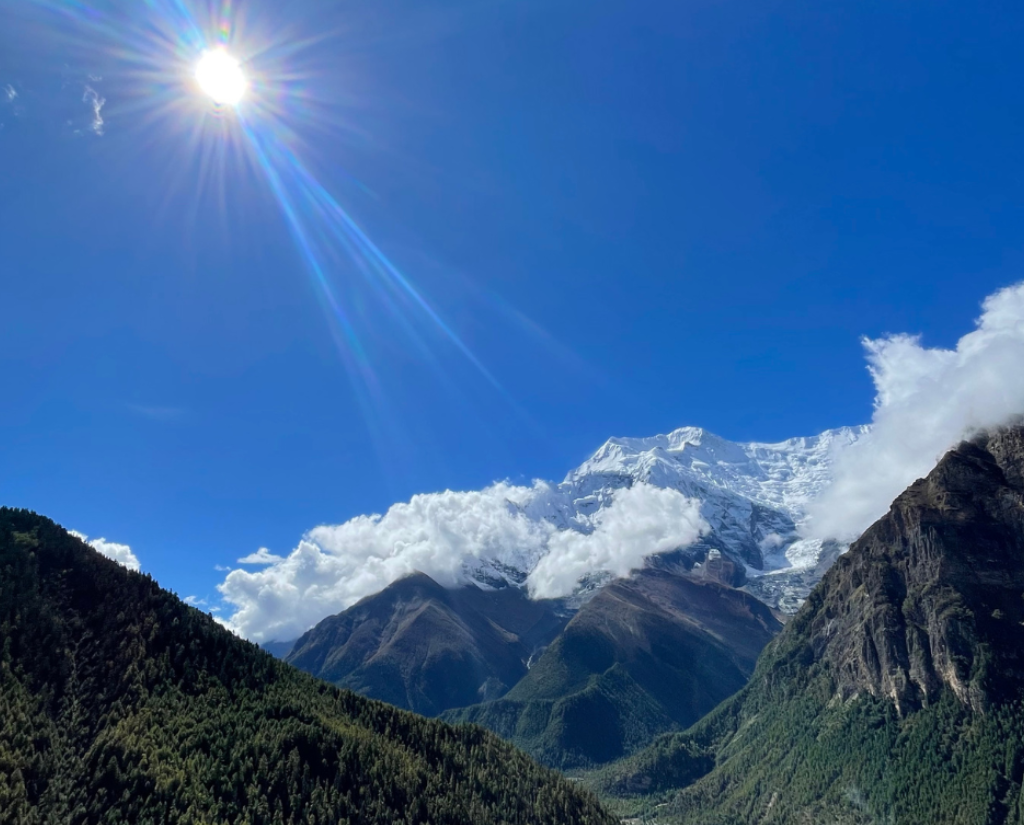
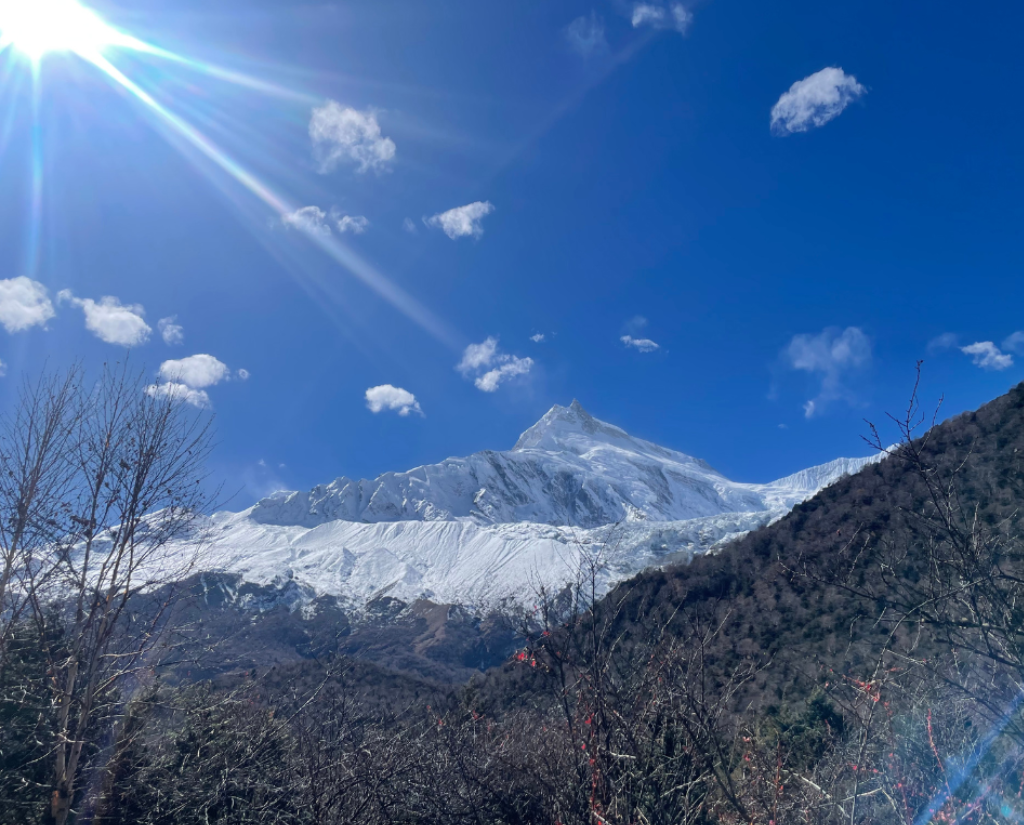
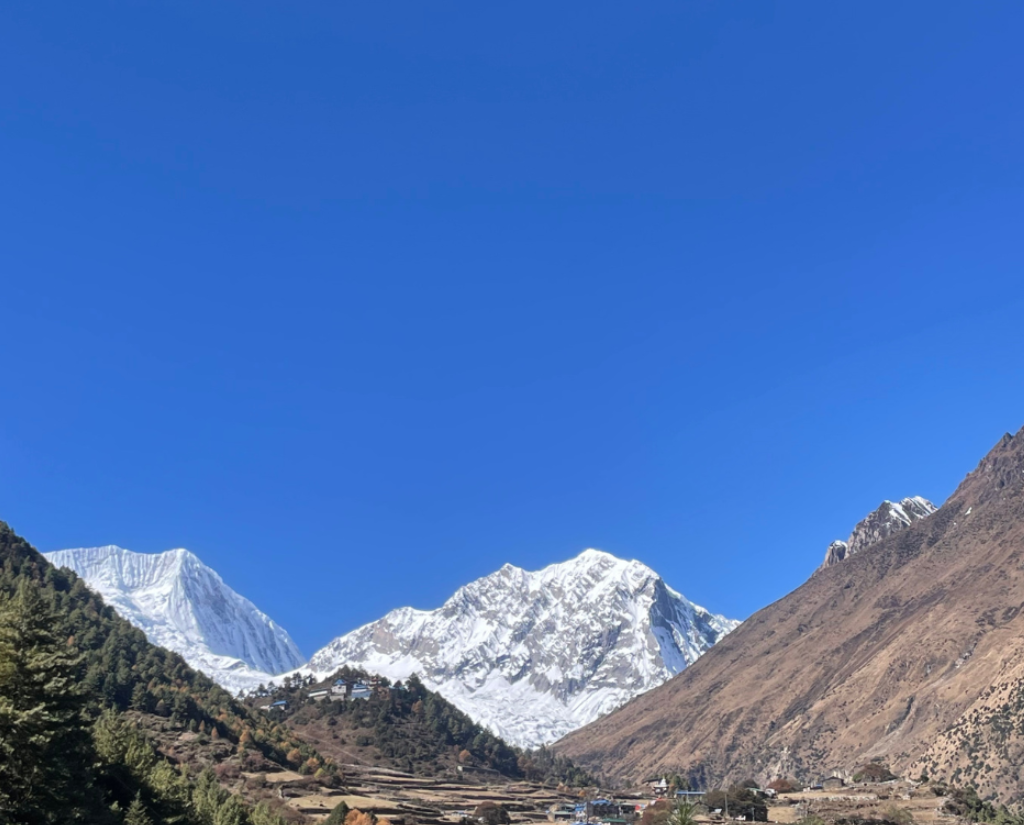
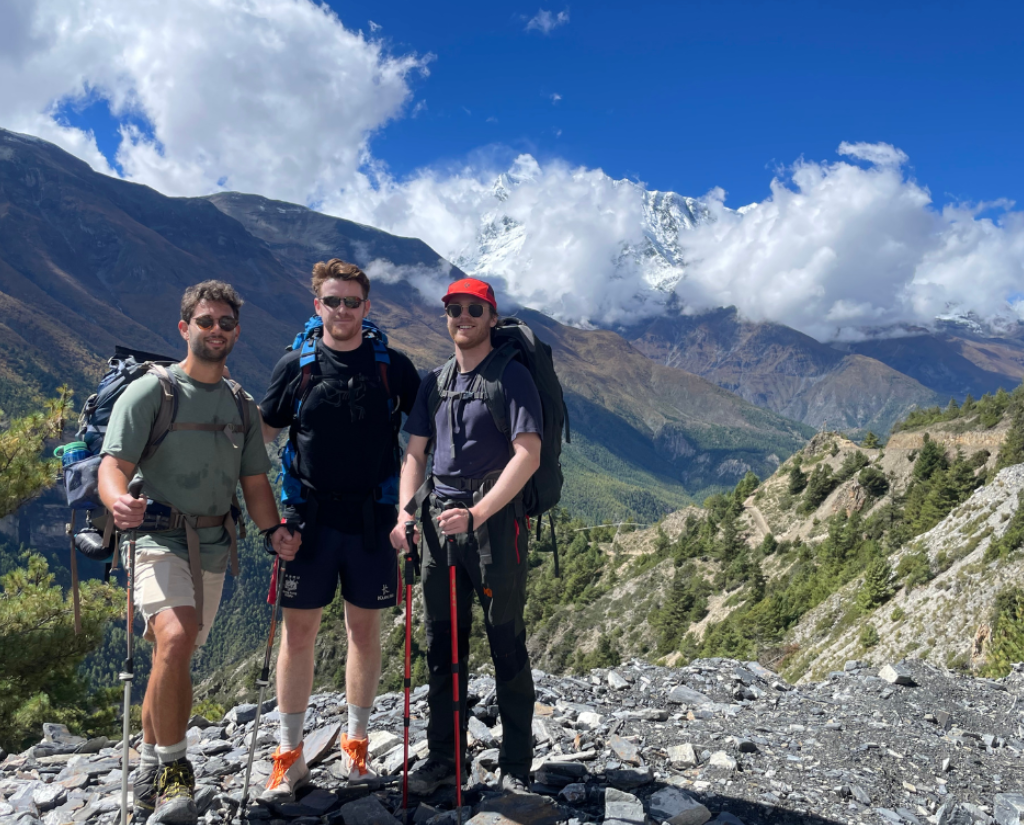
Altitude sickness, also known as Acute Mountain Sickness (AMS), is a common concern for trekkers and travelers visiting the high mountain regions of Nepal. When people travel to high altitudes too quickly, the body may struggle to adjust to the lower oxygen levels. Understanding altitude sickness and how to prevent it is essential for anyone planning a trekking adventure in the Himalayas.
What is Altitude Sickness?
Altitude sickness occurs when the body cannot adapt quickly enough to the reduced oxygen levels found at high elevations, usually above 2,500 meters (8,200 feet). Many popular trekking routes in Nepal, such as Everest Base Camp, Annapurna Base Camp, and the Manaslu Circuit, reach much higher altitudes, which makes proper acclimatization extremely important.
Most trekkers experience mild symptoms at first, but in rare cases, altitude sickness can become serious if not treated properly.
Common Symptoms of Altitude Sickness
Travelers should pay attention to the early signs of altitude sickness. Common symptoms include:
- Headache
- Dizziness or lightheadedness
- Nausea or loss of appetite
- Difficulty sleeping
- Fatigue or unusual tiredness
- Shortness of breath
If symptoms become severe, such as confusion, difficulty walking, or severe breathing problems, immediate descent and medical attention are necessary.
How to Prevent Altitude Sickness
Preventing altitude sickness is the key to a safe and enjoyable trekking experience. Here are some important tips for trekkers in Nepal:
Ascend Slowly
Climb gradually and allow your body time to adjust to the altitude. Most trekking itineraries include acclimatization days for this reason.
Stay Hydrated
Drink plenty of water during your trek to help your body adapt to the altitude.
Avoid Alcohol and Smoking
These can make it harder for your body to adjust to high elevations.
Eat Well and Rest Properly
Maintaining energy levels with nutritious food and adequate rest is important during high-altitude treks.
Listen to Your Body
If symptoms appear, inform your guide and avoid climbing higher until you feel better.
Acclimatization During Treks
Professional trekking itineraries in Nepal include acclimatization days to help trekkers adapt to the altitude. For example, during the Everest Base Camp Trek, trekkers usually spend additional nights in places like Namche Bazaar or Dingboche before continuing to higher elevations.
This gradual approach greatly reduces the risk of altitude sickness.
Importance of an Experienced Guide
Trekking with an experienced guide can make a significant difference when traveling in high-altitude regions. Professional guides understand how to recognize symptoms early and adjust the itinerary if necessary to protect the health and safety of trekkers.
Lynx Adventure Tour, led by experienced trekking guide Deepak Sunar, focuses strongly on safe trekking practices, proper acclimatization schedules, and responsible mountain travel. With knowledgeable guidance, trekkers can explore Nepal’s Himalayan regions with confidence and safety.
Travel Smart and Stay Safe
Altitude sickness is manageable and often preventable with proper preparation, slow trekking pace, and professional guidance. By respecting the mountains and listening to your body, travelers can safely enjoy the incredible beauty of Nepal’s high-altitude landscapes and create unforgettable Himalayan adventures.