
Ultimate Guide to Pikey Peak Trek: Nepal’s Best Kept Sunrise Secret
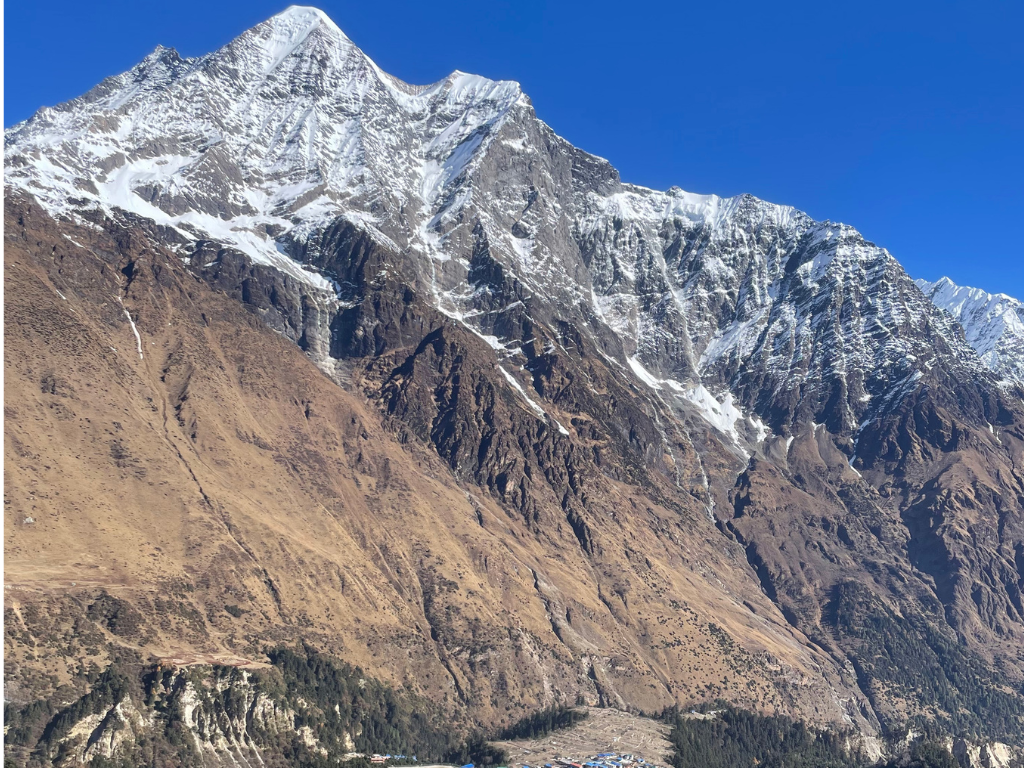
From the summit of Pikey Peak, the Himalayan panorama stretches in a sweeping arc that few other viewpoints in Nepal can rival. Unlike Everest Base Camp, where Mount Everest is partially obscured by surrounding peaks, Pikey Peak provides a wide, unobstructed skyline view of the world’s tallest mountains.
On a clear morning, you can see Mount Everest dominating the horizon alongside Lhotse and Makalu rising sharply to the east. To the far distance, the massive bulk of Kanchenjunga appears faint but majestic. Closer to the Solu region, Ama Dablam stands gracefully with its iconic shape, while sections of the Dhaulagiri and Annapurna ranges shimmer on exceptionally clear days.
What makes this viewpoint special is the angle. You are not looking upward from a valley , you are standing on a ridge facing a full Himalayan wall. The depth perception, scale, and clarity combine to create a layered mountain skyline that feels almost surreal.
This wide-angle Himalayan exposure is one of the main reasons experienced trekkers consider Pikey Peak one of Nepal’s most underrated viewpoints.
Trek Difficulty: Is Pikey Peak Suitable for You?
Table of contents
Estimated reading time: 6 minutes
The Pikey Peak Trek is classified as moderate, but that description deserves more explanation.
Unlike high-altitude expeditions where daily elevation gain is aggressive and oxygen levels become a serious concern, Pikey Peak follows a gradual ascent profile. Most itineraries are carefully structured so that altitude increases steadily over several days. This significantly reduces the risk of Acute Mountain Sickness (AMS), making the trek accessible to a wider range of travelers.
Daily walking hours typically range between five to seven hours. The terrain includes forest paths, ridgelines, and gradual uphill sections. While there are some steeper climbs , especially on summit day they are short-lived and manageable with proper pacing.
The highest point of the trek, 4,065 meters, is well below many Himalayan trekking passes, meaning your body can adapt more comfortably. With basic cardiovascular fitness and preparation, most healthy adults can complete the trek successfully.
For first-time Himalayan trekkers, this route offers a balanced introduction to altitude, mountain terrain, and multi-day trekking without overwhelming physical strain.
Cultural Experience in the Solu Region
The Solu region represents a quieter and more traditional side of Sherpa culture compared to the heavily trafficked Khumbu Valley. While tourism has influenced parts of the Everest region, Solu retains a slower rhythm of life rooted in agriculture, Buddhism, and community traditions.
Villages such as Jhapre and Junbesi provide insight into authentic Himalayan living. You’ll see stone-built homes with wooden window frames, terraced farmlands, grazing yaks, and prayer wheels spinning gently in the mountain wind.
Monasteries along the trail hold centuries of spiritual heritage. Inside, walls are painted with Buddhist murals, and butter lamps flicker beneath sacred statues. These are not museum attractions , they are active spiritual centers where locals gather for prayer and ceremonies.
Because the region sees fewer international visitors, interactions feel genuine rather than commercial. Conversations with lodge owners often turn into storytelling sessions about mountain life, family traditions, and the history of the region.
This cultural immersion adds depth to the trekking experience. You’re not simply walking through landscapes , you’re stepping into a living Himalayan community.
Accommodation and Food
Accommodation along the Pikey Peak Trek consists primarily of locally operated teahouses and community lodges. These are simple but welcoming establishments run by families who depend on trekking tourism for income.
Rooms are generally twin-sharing with basic beds, warm blankets, and shared bathrooms. While amenities are modest compared to urban hotels, the hospitality compensates for the simplicity. Dining halls are often heated by traditional stoves where trekkers gather in the evening to share stories and warm up after a day on the trail.

Meals are nourishing and designed to support long days of walking. The staple dish, dal bhat (lentils, rice, vegetables, and pickles), provides balanced carbohydrates and protein essential for energy. You’ll also find Tibetan bread, noodle soups, potatoes, eggs, pasta, and seasonal vegetables.
Because supplies must be transported into remote villages, menus are practical rather than extensive. However, the freshness and home-cooked quality make the meals satisfying.
Lynx Adventure Tour works closely with reputable lodges to ensure hygiene standards, proper meal planning, and dietary accommodations when necessary.
Best Time to Trek Pikey Peak
Weather plays a critical role in mountain visibility and overall trekking comfort.
During spring (March to May), the hills come alive with blooming rhododendron forests. The air remains relatively mild, and visibility improves as winter haze clears. This season is especially popular among photographers who want vibrant foreground colors against snow-capped peaks.
Autumn (September to November) is widely regarded as the best trekking season in Nepal. Post-monsoon conditions leave the air crystal clear, providing sharp mountain views. Daytime temperatures are pleasant, and rainfall is minimal, making trail conditions stable.
Winter (December to February) offers a quieter trekking experience. Snow occasionally blankets higher elevations, transforming the landscape into a pristine white expanse. While temperatures drop significantly at night, daytime hiking remains manageable with proper layering.
The monsoon season (June to August) brings heavy rainfall and frequent cloud cover. Mountain views are less predictable, and trails can become muddy. However, the landscape turns lush and green during this period.
Choosing the right season depends on your priorities , whether that’s clear skies, fewer trekkers, blooming forests, or winter solitude.
How does Lynx Adventure Tour Customize the Pikey Peak Trek?
A trek’s success depends heavily on planning, logistics, and local expertise. While Pikey Peak is less technical than other Himalayan routes, proper management ensures safety and comfort.
Lynx Adventure Tour approaches this trek with a focus on personalization. Group sizes are kept manageable to maintain flexibility. Guides are locally trained and familiar with weather patterns, alternative routes, and cultural nuances of the Solu region.
Before departure, Lynx ensures that all necessary permits are arranged and transportation logistics are secured. During the trek, guides monitor altitude adaptation and adjust pacing when required. This is particularly important for beginners or family groups.
In addition, Lynx prioritizes porter welfare, fair wages, and ethical trekking standards. This commitment supports local communities while ensuring trekkers receive reliable and responsible service.
Customization options include private departures, photography-focused schedules for optimal sunrise timing, extended village stays, or shorter condensed itineraries for travelers with limited time.
This level of preparation transforms a simple trek into a well-supported and memorable Himalayan journey.

Comments are closed