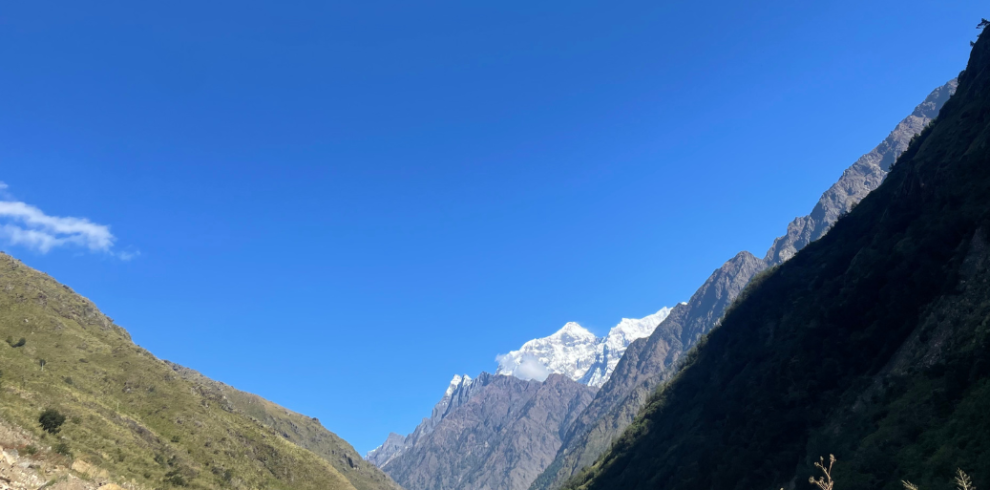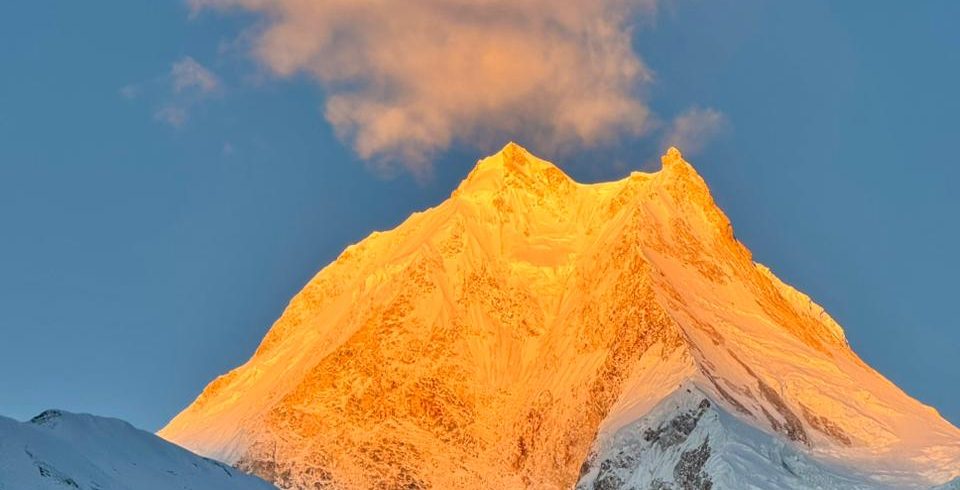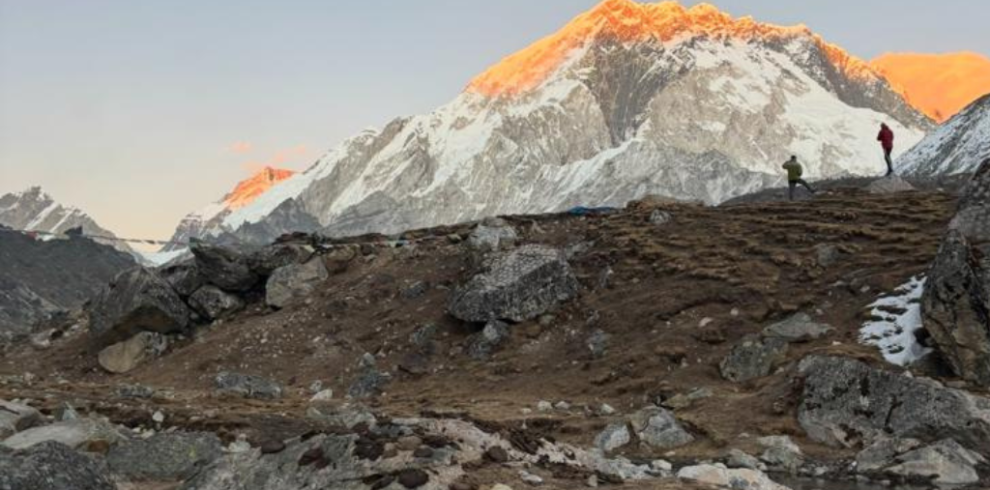

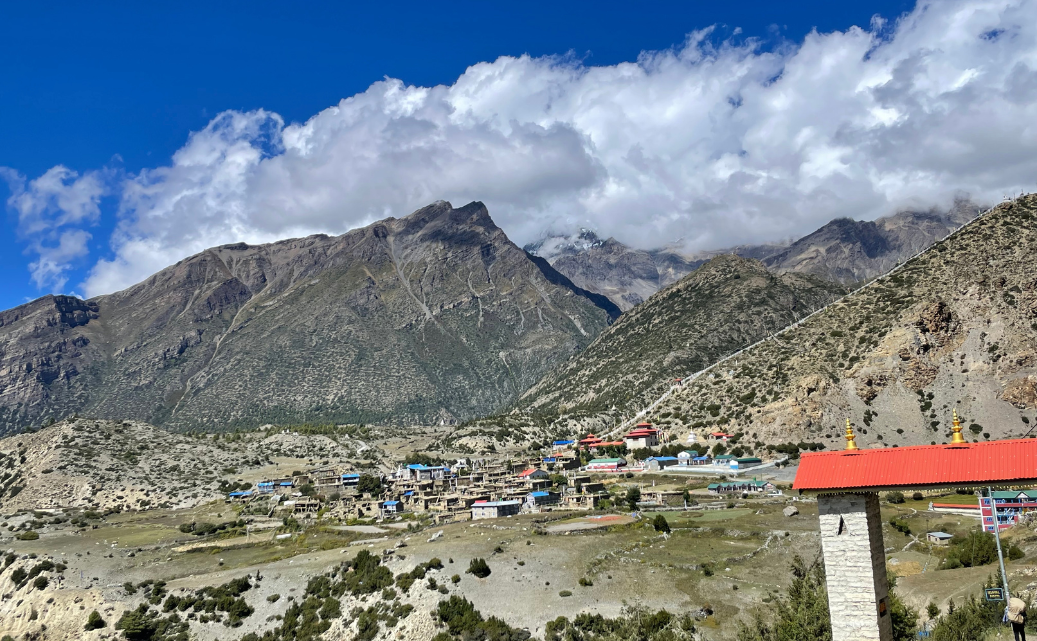


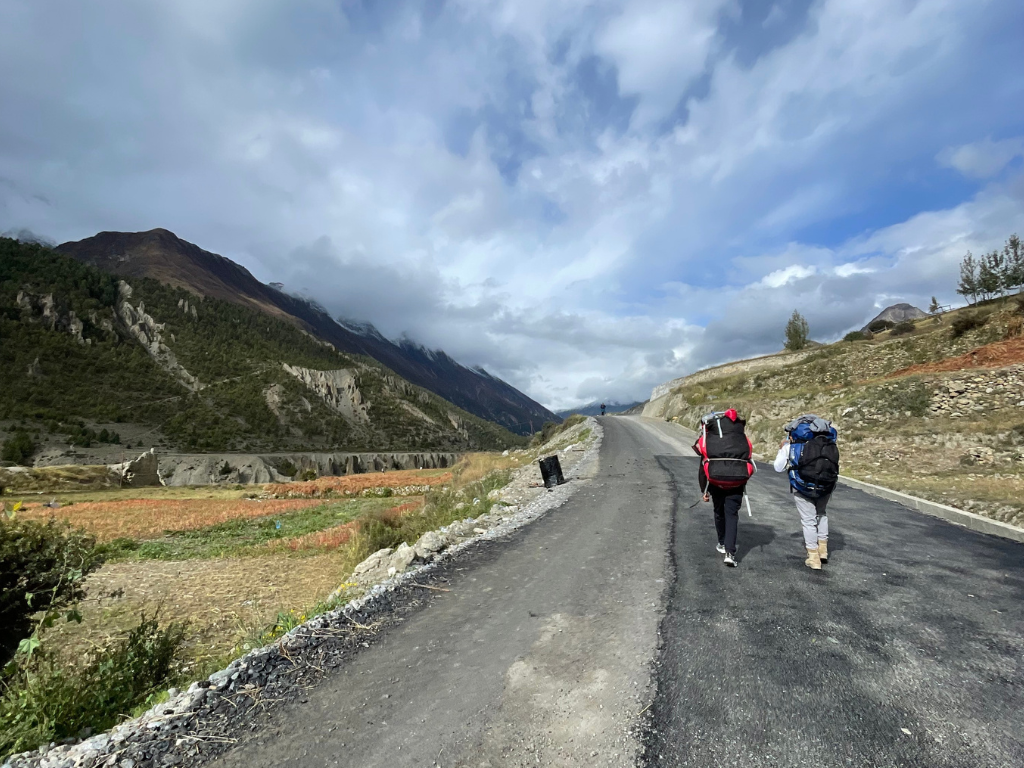


The Annapurna Circuit Trek is one of the most legendary and diverse trekking routes in the world. Organized by Lynx Adventure Tour, this iconic Himalayan journey takes you through dramatic landscapes, remote mountain villages, Buddhist monasteries, and across the thrilling Thorong La Pass (5,416m). This trek offers a perfect blend of adventure, culture, and natural beauty, making it one of the best treks in Nepal.
From lush green valleys and waterfalls to snow-covered peaks and ancient Tibetan-influenced settlements, the Annapurna Circuit is a once-in-a-lifetime experience for trekkers who want to explore the real Nepal.
Overview
The Annapurna Circuit Trek is a classic journey that circumnavigates the massive Annapurna Massif. This route is famous for its incredible ecological diversity and the dramatic change in scenery as you move from the lush, green valleys of the Marsyangdi River to the rain-shadow desert of Mustang.
Standing at the summit of the Thorong La Pass (5,416m), you will witness a horizon filled with some of the world’s highest peaks, including the Annapurna range, Dhaulagiri, and Manaslu.
Quick Trip Facts
- Duration: 14 Days (Depending on route and transport)
- Maximum Altitude: 5,416m (Thorong La Pass)
- Trek Grade: Moderate to Strenuous
- Start Point: Dharapani / Chame
- End Point: Jomsom / Pokhara
- Best Season: Spring (March–May) and Autumn (September–November)
- Cultural Highlights: Ancient monasteries in Manang, the sacred Muktinath Temple, and the unique traditions of the Gurung and Thakali people.
Itinerary
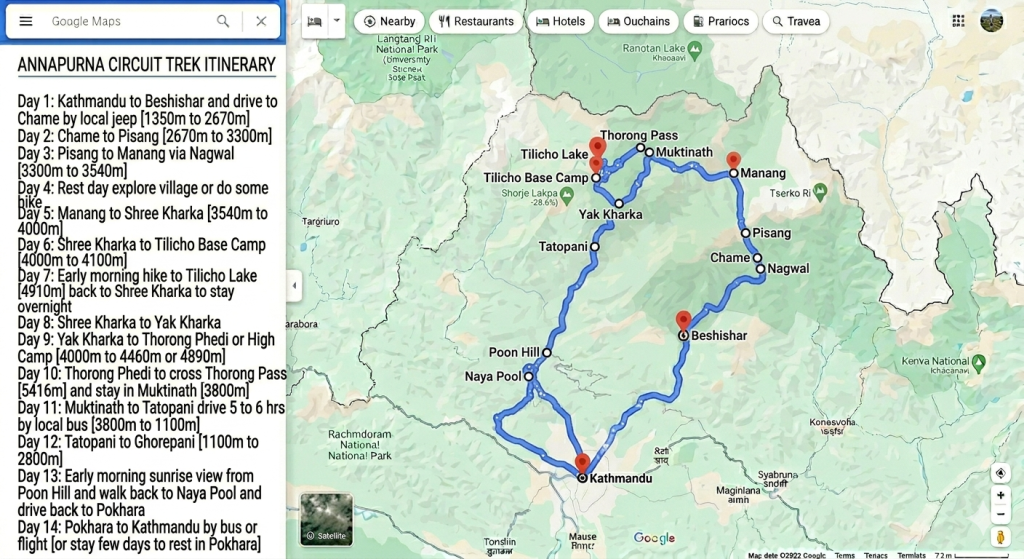
Experience the thrill of the Himalayas with this comprehensive 14-day adventure. This itinerary combines the legendary Annapurna Circuit with a detour to the mesmerizing, high-altitude Tilicho Lake, before crossing the formidable Thorong La Pass. The journey concludes with the world-famous Poon Hill sunrise and a relaxing stay in the lakeside city of Pokhara.
- Altitude: 1,350m to 2,670m
- Description & Attractions: Your adventure begins with a scenic drive from Kathmandu to Besisahar, following winding river valleys and terraced farmlands. From Besisahar, you will switch to a rugged 4x4 local jeep. The thrilling off-road drive to Chame takes you deep into the Marsyangdi River gorge, passing dramatic waterfalls, lush subtropical forests, and traditional cliffside villages. Chame serves as the administrative headquarters of the Manang district and offers your first close-up views of the Annapurna ranges.
- Altitude: 2,670m to 3,300m
- Description & Attractions: Today’s trek leads you through dense, aromatic pine and fir forests. The valley begins to steepen as you pass the massive, soaring rock face of Paungda Danda, a striking curved slab of rock rising 1,500 meters from the river. As you arrive in the village of Pisang, the landscape transitions into a more arid, trans-Himalayan climate, offering spectacular views of Annapurna II and Pisang Peak.
- Altitude: 3,300m to 3,540m
- Description & Attractions: Taking the upper route via the traditional village of Ngawal, this day offers some of the best panoramic views of the entire trek. You will be treated to sweeping vistas of Annapurna II, III, IV, Gangapurna, and Tilicho Peak. The air grows thinner and the landscape takes on a stark, Tibetan-like beauty. You will pass ancient monasteries and mani walls before arriving in the bustling high-altitude hub of Manang.
- Altitude: 3,540m
- Description & Attractions: A crucial rest day to allow your body to adapt to the thinning air. "Rest" means staying active! You can take an acclimatization hike up to the glacial Gangapurna Lake, visit the ancient Bhojo Gompa, or hike up to the 100-Rupee Lama for a blessing. Manang is also a great place to enjoy a hot coffee, visit a local bakery, or attend a daily clinic briefing on altitude sickness.
- Altitude: 3,540m to 4,000m
- Description & Attractions: Leaving the main Annapurna Circuit trail behind, you head westward into the remote Khangsar Valley. The trail climbs steadily, offering quiet, pristine trails and incredible views of the Grand Barrier and Mt. Khangsar. You will pass the traditional settlement of Khangsar before arriving at the small, remote lodges of Shree Kharka.
- Altitude: 4,000m to 4,100m
- Description & Attractions: The trek today is relatively short but involves navigating careful footing. You will cross a massive, visually stunning scree slope—a barren, rocky landscape where the trail cuts directly across steep landslide zones. The dramatic environment feels like another planet. You will spend the night at Tilicho Base Camp, resting up for the big hike tomorrow.
- Altitude: 4,100m to 4,910m (Lake) and back to 4,000m
- Description & Attractions: An early morning, steep ascent takes you to the crown jewel of this detour: Tilicho Lake (4,910m). Known as one of the highest navigable lakes in the world, its dazzling, icy blue waters are set directly beneath the towering slopes of Tilicho Peak. After soaking in the surreal, windswept beauty, you will descend back to Base Camp and retrace your steps to Shree Kharka for a well-earned rest.
- Altitude: 4,000m
- Description & Attractions: Today’s trek is a gentle, scenic traverse that reconnects you with the main Annapurna Circuit trail. You will walk through high-altitude alpine pastures where you are likely to see herds of grazing yaks and, if you are lucky, elusive blue sheep. The trail gently undulates as you approach the small settlement of Yak Kharka.
- Altitude: 4,000m to 4,460m (or 4,890m)
- Description & Attractions: The vegetation becomes incredibly sparse as you ascend higher into the alpine desert. You will cross a suspension bridge and navigate a few more scree slopes to reach Thorong Phedi (the base of the pass). Depending on the group's energy and acclimatization, you may push on for another steep hour to High Camp (4,890m) to make tomorrow’s summit day slightly shorter.
- Altitude: 4,460m to 5,416m (Pass), down to 3,800m
- Description & Attractions: The climax of the trek! Starting well before dawn, you will brave the freezing winds and steep switchbacks to reach the legendary Thorong La Pass at 5,416m. Reaching the summit, adorned with thousands of colorful prayer flags, is a massive achievement. After celebrating, you begin a long, steep descent into the Mustang region, arriving at the sacred temple complex of Muktinath, a holy pilgrimage site for both Hindus and Buddhists.
- Altitude: 3,800m to 1,100m
- Description & Attractions: You will trade your trekking boots for a local bus today. The 5 to 6-hour drive plunges down the Kali Gandaki Gorge often cited as the deepest gorge in the world, flanked by the 8,000-meter peaks of Annapurna and Dhaulagiri. Upon arriving in the subtropical village of Tatopani, you can celebrate the crossing of the pass by soaking your tired muscles in the famous natural hot springs right beside the river.
- Altitude: 1,100m to 2,800m
- Description & Attractions: Back on the trail, today features a demanding but beautiful ascent. You will climb stone staircases through terraced farmlands, passing local Magar and Gurung villages. As you gain elevation, you will enter massive, enchanting rhododendron forests (which bloom in spectacular reds and pinks during the spring) before arriving in the bustling village of Ghorepani.
- Altitude: 2,800m to 3,210m (Poon Hill), down to 1,070m, drive to 822m
- Description & Attractions: Wake up before dawn for a 45-minute hike up to Poon Hill. Here, you will witness one of the most famous sunrises in the Himalayas, watching the peaks of Dhaulagiri, Annapurna South, and Machhapuchhre (Fishtail) turn golden. Afterwards, enjoy a long, scenic descent through lush forests and villages down to Nayapul. From there, a private vehicle or bus will drive you to the vibrant lakeside city of Pokhara to celebrate the end of your trek.
- Altitude: 822m to 1,350m
- Description & Attractions: Your Himalayan circuit concludes today. You can choose to take a comfortable tourist bus ride along the Trishuli River back to Kathmandu (approx. 6-7 hours) or take a quick, scenic 25-minute domestic flight. Alternatively, clients can opt to extend their trip by a few days to relax by Phewa Lake, enjoy a massage, or try paragliding in Pokhara.
Cost
Includes
- Arrival/Departure: Airport pickup and drop-off in a private vehicle.
- Permits: Annapurna Conservation Area Permit (ACAP) and TIMS (Trekkers' Information Management System) card.
- Accommodation: 3-star hotel in Kathmandu and Pokhara (B&B); best available teahouses during the trek.
- Meals: Full board (Breakfast, Lunch, and Dinner) throughout the trekking days.
- Expert Guides: Professional, English-speaking, government-licensed guides with deep knowledge of local culture and safety protocols.
- Porters: Dedicated porters to carry your heavy gear (1 porter for every 2 trekkers).
- Transportation: Private or local jeep/bus transport from Kathmandu to the trailhead and Jomsom to Pokhara/Kathmandu.
- Health & Safety: Oximeters for daily altitude checks and a comprehensive medical first aid kit.
Excludes
- Flights: International airfare and domestic flight from Jomsom to Pokhara (optional).
- Nepal Visa: Obtainable upon arrival at Tribhuvan International Airport.
- Insurance: Travel insurance covering high-altitude rescue and medical evacuation (Mandatory).
- Personal Expenses: Hot showers, laundry, battery charging, and Wi-Fi fees at teahouses.
- Drinks: Mineral water, boiled water, soft drinks, and alcoholic beverages.
- Tips: Gratuities for your guide and porter as a token of appreciation.
FAQs
The Annapurna Circuit Trek typically spans 14 days, covering approximately 160–230 km depending on the chosen route, with the highlight being the Thorong La Pass at 5,416 meters.
The Annapurna region has some of the most developed trekking infrastructure in Nepal. You will stay in comfortable teahouses, many of which offer varied menus, heated dining rooms, and even attached bathrooms in lower elevations.
Trekking through Gurung, Magar, and Tibetan Buddhist communities, you can visit monasteries, local villages, observe traditional festivals, and experience authentic Himalayan lifestyles and architecture.
Acclimatization is crucial. Spend rest days in Manang, hydrate frequently, walk at a steady pace, and consult guides about altitude symptoms. Short hikes to nearby lakes help your body adjust safely.
The ideal trekking seasons are autumn (September–November) for clear skies and moderate temperatures, and spring (March–May) to enjoy rhododendron blooms and pleasant weather throughout the route.