

Top Tips for a Successful Khopra Ridge Trek: Packing, Altitude, and Culture
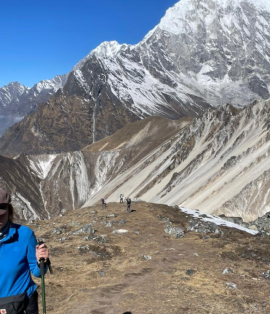
The Khopra Ridge Trek (Khopra Danda) remains one of Nepal’s most rewarding hidden gems in the Annapurna region,delivering panoramic views of up to 22 peaks (Dhaulagiri, Annapurna South, Nilgiri, Tukuche, Machhapuchhre, and more) from a serene ridge at ~3,660m, with an optional high-altitude side trip to sacred Khayer Lake (~4,660–4,750m). Recent 2025–2026 reviews highlight its peaceful trails, authentic Gurung/Magar village stays, and “better than ABC” scenery for many, with basic but welcoming community lodges.
To make your trek smooth, safe, and enriching, we’ve expanded our top tips based on real trekker feedback and current conditions (trails excellent in early 2026, dry and clear post-winter). Focus on smart packing to stay light, proactive altitude management (AMS risk low but present above 3,000m), and respectful cultural engagement for meaningful connections.
1. Packing Tips: Layer for Variable Weather, Stay Under 12kg, and Prioritize Essentials
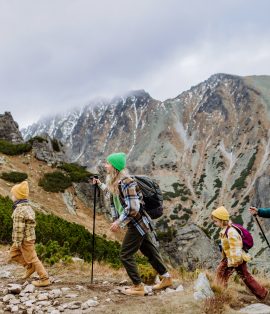
Khopra’s climate shifts quickly,from subtropical warmth in lower valleys to windy, cold ridge nights (even in spring/autumn, temps drop to -5°C to -10°C at higher points). Pack light: aim for 8–12kg total (use porters for main duffel; carry a 20–30L daypack).
Detailed Packing Checklist (2026 Essentials):
- Upper Body Layers (moisture-wicking & warm):
- 2–3 quick-dry base layers/T-shirts (long-sleeve for sun/UV protection).
- Fleece mid-layer or lightweight puffy.
- Insulated down jacket (compact, 600+ fill power,crucial for ridge winds and cold mornings; many 2026 trekkers note it’s “freezing” even in summer rain).
- Waterproof/windproof Gore-Tex jacket + pants (or poncho backup for sudden showers).
- Lower Body & Legs:
- 2 pairs convertible trekking pants (quick-dry, zip-off legs for versatility).
- Thermal leggings/base layer bottoms for nights.
- Warm trekking socks (wool/synthetic, 3–4 pairs; rotate to avoid blisters).
- Head, Hands & Protection:
- Warm beanie/hat (fleece or wool,essential for windy ridge and Khayer sunrise hikes).
- Gloves (lightweight liner + insulated pair).
- Buff/neck gaiter, UV-protective sunglasses, high-SPF sunscreen (50+), lip balm (UV intense at altitude).
- Footwear:
- Broken-in trekking boots (ankle support, good grip for rocky/steep sections).
- Camp shoes/sandals (for teahouses and stream crossings).
- Gear & Accessories:
- Trekking poles (highly recommended for steep descents, stability on loose gravel).
- Sleeping bag (-10°C to -15°C rating; teahouse blankets often thin,rent in Pokhara if needed).
- Reusable water bottles (2L+ total; purification tablets/filter,bottled water expensive/rare at height; eco-friendly!).
- Headlamp + extra batteries, power bank (limited charging).
- First-aid kit: Blister pads, paracetamol, Imodium, electrolytes (Nuun tablets popular for hydration), Diamox (consult doctor for prevention).
- Snacks (energy bars, nuts), quick-dry towel, biodegradable toiletries.
- Extras for Comfort:
- Pee funnel (optional but handy for women at altitude/cold nights).
- Camera/power bank, modest clothing for villages (cover shoulders/knees).
Pro Packing Advice: Test everything pre-trek (boots especially). Layer effectively,add/remove as needed. Our Lynx packages include porters (1:2 ratio) so you hike light, supporting local employment. Recent reviews emphasize electrolytes and reusable bottles to combat dehydration and costs.
2. Altitude Management: Ascend Slowly, Hydrate, and Know the Signs
Max sleeping altitude ~3,660m (Khopra Ridge), up to 4,750m (Khayer Lake day trip),AMS risk is lower than higher treks, but sharp gains (e.g., forest to ridge) require care. 2026 trekkers report smooth experiences with proper pacing.
Expanded Prevention & Handling Tips:
- Golden Rule: Climb high, sleep low,limit sleeping elevation gain to 300–500m/day above 3,000m. Include acclimatization days (e.g., explore higher during day at Ghorepani or Khopra).
- Hydration & Nutrition: 3–4L water daily (add electrolytes). Eat carb-heavy meals; avoid alcohol, smoking, excess caffeine,they worsen symptoms.
- Pacing & Rest: Walk slowly (“Himalayan pace”), take frequent breaks. Guides monitor with oximeters.
- Symptoms to Watch: Mild (headache, nausea, fatigue, dizziness),rest, hydrate, descend if needed. Severe (confusion, severe headache, vomiting),immediate descent + medical help.
- Medications: Diamox (acetazolamide) for prevention/acclimatization (start 1–2 days before high altitude; doctor-prescribed). Carry ibuprofen/paracetamol.
- Prep: Build fitness 4–6 weeks prior (hiking stairs/hills with pack). Recent feedback: Gradual ascent and hydration make it “easy to moderate” for most.
Lynx guides ensure safe pacing,many 2026 reviews praise “no issues” thanks to expert monitoring.
3. Cultural Respect: Engage Authentically with Gurung & Magar Communities
The trek’s highlight is immersion in traditional villages (Ghandruk, Swanta, Chistibung),homestays and community lodges offer real hospitality, stories, and support for locals.
Key Etiquette & Immersion Tips:
- Greetings & Interactions: “Namaste” with palms together and slight bow. Use two hands for giving/receiving. Smile,warmth opens doors!
- Dress & Behavior: Modest clothing (cover shoulders/knees in villages/homes/temples). Remove shoes entering homes/temples; don’t point feet at people/hearths.
- Sacred Sites: Walk clockwise around stupas/chortens. Ask permission for photos (people, especially elders). No touching holy items casually.
- Support & Sustainability: Choose community lodges (your stay directly benefits families). Buy local crafts, tip fairly (~USD 50–100 total shared among guide/porter/staff). Avoid single-use plastics,pack out trash.
- Learn Basics: “Dhanyabad” (thank you), “Namaskar” (hello). Share tea/stories,trekkers often describe “amazing people” and “authentic mountain life.”
- General Respect: Yield to porters/locals on trails. No littering,follow Leave No Trace.
These gestures create lasting memories,2026 reviews frequently mention “sharing space and stories” as transformative.
Quick Bonus Tips for 2026 Success
- Best Seasons: Autumn (Sep–Nov) for clarity; spring (Mar–May) for rhododendrons. Current conditions: Pristine trails, strong visibility.
- Fitness: Cardio + weighted walks prep you for 5–7 hour days.
- Guided Advantage: Lynx handles permits (ACAP + TIMS), navigation, and cultural insights,making it seamless.
Apply these, and Khopra Ridge becomes not just a trek, but a profound Himalayan experience,stunning views, personal resilience, and genuine connections.
Ready to trek? Lynx Adventure Tour tailors everything,packing advice, altitude prep, and cultural highlights included.
Book Your Khopra Ridge Adventure →
Share your group size/dates for a custom quote and prep guide!
Table of contents
Estimated reading time: 4 minutes



Comments are closed