

Adventure Travel in Nepal: Highlights of the Langtang Trek
There’s a specific kind of traveler who books a trip to Nepal expecting Everest Base Camp or the Annapurna Circuit, spends weeks researching flights and permits, and never once hears the name Langtang mentioned. That’s a genuine gap in how people plan adventure travel in Nepal, because Langtang delivers nearly everything those famous routes offer — glacier-carved valleys, 7,000-meter peaks, centuries-old mountain culture — in roughly half the time, at a fraction of the crowd, and without ever needing to book a mountain flight. If you’re chasing a real Himalayan adventure but don’t have three weeks or a taste for crowded trails, the highlights of this trek will make the case for you.
This isn’t a step-by-step itinerary breakdown. It’s a look at what actually makes Langtang worth your time — the moments, views, and details that turn a trek from a checklist into a memory — along with the practical planning details you’ll need to make it happen.
Why Langtang Belongs on Every Nepal Adventure Shortlist
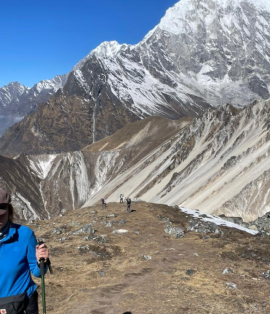
Langtang National Park sits directly north of Kathmandu, close enough that you’re on the trail within a day of leaving the capital, yet remote enough that the valley feels genuinely untouched by the crowds that define routes like Everest Base Camp. The trek follows the Langtang Khola upstream through forest and valley floor, with Langtang Lirung — a 7,227-meter peak — dominating the skyline for nearly the entire journey.
What makes this route stand out within Nepal’s adventure travel scene isn’t just the mountain scenery, though it holds its own against anything in the Khumbu. It’s the density of genuine cultural encounter packed into a relatively short trek: Tamang villages with centuries of Tibetan Buddhist heritage, chortens and mani walls lining the trail, and a community that rebuilt itself with real resilience after the 2015 earthquake devastated Langtang village. Trekking here isn’t just a scenic outing — it’s a direct, meaningful way to support a region whose economy depends heavily on the trekkers who choose to visit.
The Highlight Reel: What You’ll Actually Remember
Ask anyone who’s completed this trek what stuck with them, and the answers tend to cluster around the same handful of moments.
- Standing beneath Langtang Lirung at Kyanjin Gompa, where the 7,227-meter peak feels close enough to touch and the valley opens into a wide, glacier-fed basin unlike anywhere else on the standard trekking circuit.
- The climb to Tserko Ri or Kyanjin Ri, where the extra effort above 4,600 meters delivers a 360-degree panorama that most trekkers rank as the single best view of the entire trip — often better than the main valley trail itself.
- Tasting fresh yak cheese at the Kyanjin Gompa cheese factory, one of the oldest of its kind in Nepal, where production techniques introduced decades ago are still in use today. It’s a small, specific detail, but it’s the kind of thing that turns a photo into a story.
- Walking through Langtang village itself, rebuilt with visible resilience since 2015, where the warmth of the welcome tells you as much about the region as the mountains do.
- The quiet. More than any single landmark, what trekkers consistently mention is how few other people they saw on the trail — a rare thing on a route this scenic, this close to Kathmandu.
Planning the Trek: What You Need to Know
Most Langtang treks run 7 to 10 days round-trip from Kathmandu, including a full acclimatization day at Kyanjin Gompa (3,870m) built in specifically to allow for the Tserko Ri or Kyanjin Ri side hikes. The trail moves through dense forest at lower elevations, opens into wide valley views past Langtang village, and finishes in glacial moraine terrain near Kyanjin Gompa — enough terrain variation to keep the trek visually interesting from start to finish, without requiring any technical climbing skill.
Compared to Everest Base Camp, there’s no mountain flight into a high-altitude airstrip and no permit lottery to navigate. You simply drive from Kathmandu to the trailhead at Syabrubesi, which keeps both the logistics and the overall cost noticeably more manageable.
Best Time to Visit Langtang
Season shapes both the scenery and the physical experience of this trek in a real way, so it’s worth planning around.
- March–May (spring): Rhododendron forests bloom in vivid color along the lower trail, with generally clear skies and comfortable daytime temperatures.
- September–November (autumn): The most reliable season overall, with the clearest mountain visibility and the most stable weather of the year.
- December–February (winter): Cold, particularly at Kyanjin Gompa, with occasional snow that can close the higher side-hike routes, but the trail is remarkably quiet.
- June–August (monsoon): Best avoided, with heavy rain, leeches at lower elevations, and frequently obscured views.
Autumn remains the most dependable choice for first-time visitors, though spring’s rhododendron blooms give the lower trail a different kind of beauty worth considering if your dates are flexible.
Langtang Trek Cost Breakdown
Here’s a realistic cost picture for a guided trek through a Nepal-based operator like Lynx Adventure Tour.
- Guided package (7–10 days, including guide, permits, and tea house accommodation): typically $400–$700 USD per person, depending on trip length and group size
- Langtang National Park entry permit and TIMS card: usually bundled into your package, priced independently around $30–35 USD combined
- Meals along the trail: $5–12 USD per meal if not already included, with prices rising the higher you go
- Porter (highly recommended given the trek’s length): roughly $15–20 USD per day
- Kathmandu–Syabrubesi ground transport: often included in packages, or bookable separately for roughly $10–15 USD each way by local bus, more for a private jeep
- Guide and porter tips: budget an additional $40–60 USD for the full trip
Because Langtang requires no internal flight, the overall cost typically runs noticeably lower than a comparable high-altitude trek like Everest Base Camp.
Packing List Essentials
- Sturdy, already broken-in hiking boots
- Layered clothing: moisture-wicking base layer, insulated mid-layer, waterproof outer shell
- Warm hat, gloves, and a headlamp with spare batteries
- Trekking poles, especially useful on the steep sections near Kyanjin Ri and Tserko Ri
- A daypack with a rain cover
- Reusable water bottle plus purification tablets or a filter
- Basic first-aid kit and any personal medication
- Sunglasses and sunscreen, since glacial terrain near Kyanjin Gompa reflects strong UV exposure
- Nepali rupees in cash, since card payments are effectively nonexistent past Syabrubesi
Safety Tips for the Langtang Trek
- Take the Kyanjin Gompa acclimatization day seriously. With side hikes pushing above 4,600–5,000 meters, altitude effects are a genuine consideration on this trek.
- Trek with a licensed guide familiar with the region, who can navigate the glacial moraine terrain near Kyanjin Gompa and plan side hikes around current conditions.
- Watch for early signs of altitude sickness — headache, nausea, unusual fatigue — and tell your guide immediately rather than pushing through.
- Pack for significant temperature swings, since intense daytime sun at altitude gives way to well-below-freezing nights at Kyanjin Gompa.
- Check trail conditions before winter travel, as snow can occasionally close the higher side-hike routes.
Frequently Asked Questions
What makes the Langtang trek different from other Nepal adventure treks? Its combination of high-altitude scenery, deep Tamang cultural immersion, and road access from Kathmandu (no internal flight required) sets it apart from routes like Everest Base Camp.
How long does the Langtang trek take? Most itineraries run 7 to 10 days round-trip from Kathmandu, including an acclimatization day at Kyanjin Gompa.
Is the Langtang trek good for adventure travelers who don’t have three weeks free? Yes — it’s specifically well-suited to travelers who want a genuine high-altitude Himalayan experience without the time commitment of longer routes.
What is the best time to trek Langtang? Autumn (September–November) offers the most reliable weather, while spring (March–May) adds rhododendron blooms along the lower trail.
Do I need permits for the Langtang trek? Yes — a Langtang National Park entry permit and a TIMS card are both required, and Lynx Adventure Tour arranges both as part of every guided package.
Your Next Adventure is Closer Than You Think
There’s a version of Nepal that most travelers never see — quieter valleys, warmer welcomes, mountains just as tall but far fewer people looking up at them. Langtang is that version, and it’s sitting less than a week’s round trip from Kathmandu, waiting for the kind of traveler who wants a real adventure without the usual crowds or commitment. Lynx Adventure Tour has guided trekkers through Langtang Valley for years, with experienced local guides, all permits handled before you arrive, and itineraries built around your schedule. Reach out to Lynx Adventure Tour today, and let’s start planning your Langtang adventure.



Comments are closed