
Langtang Trek 2026: Complete Guide to Nepal’s Stunning Himalayan Trail
Ask ten trekkers about Nepal and nine of them will mention Everest Base Camp or the Annapurna Circuit. Almost none of them will mention Langtang — and that’s exactly the problem this guide is here to fix. The Langtang trek sits less than a week’s round trip from Kathmandu, delivers glacier-carved valleys and 7,000-meter peaks that rival anything in the Khumbu, and moves through Tamang villages with a cultural depth that longer, more crowded routes simply can’t match. Yet it remains one of the most overlooked treks in the country, which means smaller crowds, quieter tea houses, and a trail that still feels like it belongs to you.
If you’re weighing where to spend your one big Himalayan trip in 2026, this guide covers everything: the route itself, real costs, the best season to go, what to pack, and the safety details that actually matter — not the generic checklist version, but what you genuinely need to know before you commit.
Why the Langtang Trek Deserves Your Attention in 2026
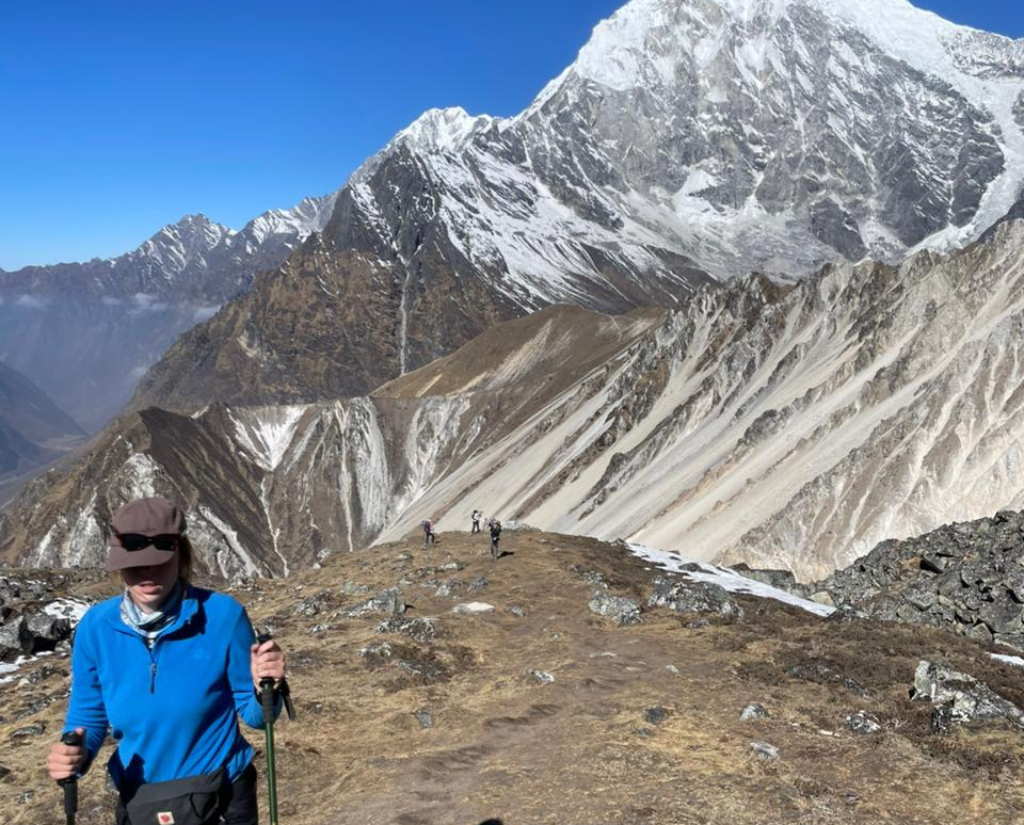
Langtang National Park sits directly north of Kathmandu, close enough that the approach itself takes only a single day’s drive, yet remote enough that the valley feels like a different world entirely. The trek follows the Langtang Khola upstream through forests of oak, bamboo, and rhododendron, climbing steadily toward the high-altitude village of Kyanjin Gompa, with Langtang Lirung — a 7,227-meter giant — towering directly over the valley floor for nearly the entire trek.
What makes this route genuinely distinct isn’t just the scenery, though the scenery holds its own against any trek in Nepal. It’s the Tibetan Buddhist and Tamang cultural heritage woven through every village along the way, visible in chortens, mani walls, and monasteries that have anchored this valley for centuries. It’s also worth knowing that the 2015 earthquake struck this region hard, devastating Langtang village in particular. The community has rebuilt with real resilience, and trekking here today is, in a quiet way, also a form of support for a region that depends heavily on trekking tourism to sustain itself.
Compared to Everest Base Camp, Langtang requires no flight into a high-altitude airstrip, no permit lottery, and roughly half the trekking days — while still delivering genuine high-altitude scenery, a real physical challenge, and far fewer people on the trail with you.
The Route: What a Langtang Trek Itinerary Looks Like
Most Langtang treks run 7 to 10 days round-trip from Kathmandu, depending on your pace and whether you add the Tserko Ri or Kyanjin Ri side hikes.
- Day 1: Drive from Kathmandu to Syabrubesi (roughly 7-8 hours by road)
- Day 2: Trek from Syabrubesi to Lama Hotel, through dense forest along the Langtang Khola
- Day 3: Continue to Langtang village, gaining altitude through rhododendron forest that opens into wider valley views
- Day 4: Trek to Kyanjin Gompa (3,870m), the cultural and scenic heart of the valley
- Day 5: Acclimatization day at Kyanjin Gompa, with an optional hike up Kyanjin Ri or the more demanding Tserko Ri for panoramic views of Langtang Lirung and the surrounding peaks
- Day 6-7: Descend back through Langtang village to Lama Hotel
- Day 8: Return to Syabrubesi, then drive back to Kathmandu
The trail itself is well-marked and doesn’t require technical skill, but the terrain shifts constantly — dense forest, exposed ridgeline, glacial moraine near Kyanjin Gompa — which keeps the trek visually varied in a way flatter, longer routes sometimes lack.
The Kyanjin Gompa Side Hikes: Worth the Extra Day
If there’s one unique insight worth taking from this guide, it’s this: don’t skip the acclimatization day at Kyanjin Gompa. Most trekkers treat it as a forced rest day, but the hike up to Kyanjin Ri (roughly 4,600m) or the longer, steeper climb to Tserko Ri (nearly 5,000m) delivers some of the best mountain panoramas of the entire trek — arguably better than the main valley trail itself. Kyanjin Gompa is also home to a small, locally run cheese factory, one of the oldest in Nepal, where you can try fresh yak cheese produced using techniques introduced decades ago. It’s a small detail, but it’s the kind of moment that separates a trek you photographed from a trek you actually remember.
Best Time to Visit Langtang
Season affects both the views and the physical experience of this trek significantly, so timing your trip matters.
- March–May (spring): Rhododendron forests bloom in full color along the lower trail, and skies are generally clear with comfortable daytime temperatures.
- September–November (autumn): The most popular and most reliable season, with the clearest mountain visibility and stable weather throughout the trek.
- December–February (winter): Cold, particularly at Kyanjin Gompa, with a real chance of snow blocking the higher side hikes, but the trail is dramatically quieter.
- June–August (monsoon): Best avoided. Heavy rain, leeches on the lower forested sections, and frequently obscured mountain views make this the least rewarding season.
Autumn remains the safest bet for first-time visitors, but spring’s rhododendron blooms make a strong case for travelers willing to trade a small amount of visibility reliability for scenery lower on the trail.
Langtang Trek Cost Breakdown
Here’s a realistic cost picture for a guided trek through a Nepal-based operator like Lynx Adventure Tour.
- Guided package (7–10 days, including guide, permits, and tea house accommodation): typically $400–$700 USD per person, depending on trip length and group size
- Langtang National Park entry permit and TIMS card: usually bundled into your package, priced independently around $30–35 USD combined
- Meals along the trail: $5–12 USD per meal if not already included, with prices rising the higher you go
- Porter (highly recommended given the trek’s length): roughly $15–20 USD per day
- Kathmandu–Syabrubesi ground transport: often included in packages, or bookable separately for roughly $10–15 USD each way by local bus, more for a private jeep
- Guide and porter tips: budget an additional $40–60 USD for the full trip
Compared to Everest Base Camp, where flights alone can run several hundred dollars round-trip, Langtang’s road access from Kathmandu keeps the overall cost noticeably lower for a similarly high-altitude experience.
Packing List Essentials
- Sturdy, already broken-in hiking boots
- Layered clothing: moisture-wicking base layer, insulated mid-layer, waterproof outer shell
- Warm hat, gloves, and a headlamp with spare batteries
- Trekking poles, particularly useful on the steep sections near Kyanjin Ri and Tserko Ri
- A daypack with a rain cover
- Reusable water bottle plus purification tablets or a filter
- Basic first-aid kit and any personal medication
- Sunglasses and sunscreen, since glacial terrain near Kyanjin Gompa reflects strong UV exposure
- Nepali rupees in cash, as card payments are effectively nonexistent past Syabrubesi
Safety Tips for the Langtang Trek
- Take the acclimatization day at Kyanjin Gompa seriously. At close to 3,870 meters, with side hikes pushing above 4,600–5,000 meters, altitude effects are a real consideration on this trek in a way they aren’t on Poon Hill.
- Trek with a licensed guide familiar with the region. Beyond general safety, local guides understand the terrain changes near Kyanjin Gompa’s glacial moraine and can plan side hikes around current weather conditions.
- Watch for symptoms of altitude sickness — headache, nausea, unusual fatigue — and communicate them to your guide immediately rather than pushing through.
- Pack for temperature swings. Daytime sun at altitude can feel intense, while nights at Kyanjin Gompa drop well below freezing for much of the year.
- Check current trail conditions before winter travel, since snow can occasionally close the higher side-hike routes.
Frequently Asked Questions
How difficult is the Langtang trek? It’s considered moderate to moderately challenging, with a longer duration and higher altitude than treks like Poon Hill, but no technical climbing skills required.
How many days does the Langtang trek take? Most itineraries run 7 to 10 days round-trip from Kathmandu, depending on pace and whether you include the Kyanjin Ri or Tserko Ri side hikes.
What is the best time to trek Langtang? Autumn (September–November) offers the most reliable weather, while spring (March–May) adds rhododendron blooms to the lower trail.
Do I need permits for the Langtang trek? Yes — a Langtang National Park entry permit and a TIMS card are both required, and Lynx Adventure Tour arranges both as part of every guided package.
Is Langtang trek less crowded than Everest Base Camp? Yes, significantly. Langtang remains one of the least crowded major trekking routes in Nepal despite offering comparable high-altitude scenery.
Your Quiet Corner of the Himalayas is Waiting
There’s something different about standing beneath Langtang Lirung with only a handful of other trekkers on the trail, in a valley that has rebuilt itself with real resilience and still welcomes visitors with open doors and warm cups of butter tea. This isn’t the Himalayas you’ve seen in a thousand other people’s photos — it’s quieter, closer to Kathmandu, and every bit as unforgettable. Lynx Adventure Tour has guided trekkers through Langtang Valley for years, with experienced local guides, all permits handled before you arrive, and flexible itineraries built around your schedule. Reach out to Lynx Adventure Tour today, and let’s plan your 2026 Langtang trek.



Comments are closed