
Manaslu Circuit Trek Preparation: Essential Tips for First-Timers
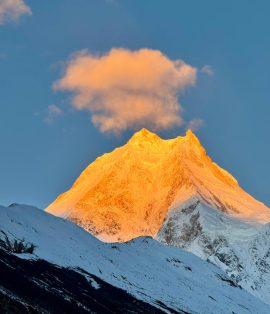
The Manaslu Circuit Trek is a breathtaking adventure through Nepal’s remote Himalayas, circling the 8,163-meter Mount Manaslu while offering pristine landscapes, Tibetan-influenced villages, and the dramatic Larkya La Pass at 5,160 meters. As a restricted-area trek, it demands solid preparation, especially for first-timers. Unlike more developed routes, Manaslu’s isolation means fewer facilities, basic teahouses, and reliance on your own resilience. Proper prep ensures safety, enjoyment, and success on this 12-18 day journey.
This guide covers essential packing, health measures, insurance, mental readiness, altitude sickness prevention, cultural expectations, and common pitfalls. With thoughtful planning, even beginners can conquer this Himalayan gem.
Packing List: Gear and Clothing for High Altitude
Packing light yet smart is key-your porter carries up to 15-20 kg, but you’ll hike with a daypack (5-8 kg). Focus on layering for variable weather: warm days in valleys, freezing nights and wind near the pass. Prioritize quality, breathable, quick-drying items.
Clothing (Layering System):
- Base layers: 2-3 moisture-wicking long-sleeve tops and leggings (merino wool or synthetic) for warmth and odor control.
- Mid layers: 1-2 fleece jackets or lightweight down jackets for insulation.
- Outer layers: Waterproof/breathable Gore-Tex jacket and pants (essential for rain or snow); windproof shell.
- Trekking pants: 2 pairs (quick-dry, convertible optional); avoid jeans.
- T-shirts/shorts: 2-3 for lower elevations.
- Headwear: Warm beanie, sun hat, buff/neck gaiter for dust and sun.
- Gloves: Lightweight liner gloves + insulated waterproof ones for the pass.
- Socks: 4-5 pairs wool or synthetic trekking socks; spare liner socks to prevent blisters.
- Underwear: 4-5 quick-dry pairs.
Footwear:
- Sturdy, broken-in trekking boots with ankle support and good grip (waterproof recommended).
- Camp shoes/sandals for teahouses.
- Gaiters for snow/dust near the pass.
Trekking Gear:
- Trekking poles (collapsible, highly recommended for descents and stability).
- Backpack (40-50L daypack) + rain cover.
- Sleeping bag (rated to -10°C or lower; many teahouses provide blankets, but bring your own for hygiene).
- Headlamp + extra batteries.
- Water bottles (2L total) or hydration bladder + purification tablets (streams are common but treat water).
- Sunglasses (UV protection), sunscreen (high SPF), lip balm.
- Towel (quick-dry, small), toiletries (biodegradable soap, toilet paper, hand sanitizer).
- Personal items: Snacks (energy bars, nuts), camera, power bank, universal adapter.
First Aid & Misc:
- Basic kit: blister plasters, painkillers, antidiarrheal, rehydration salts, personal meds.
- Multi-tool, duct tape, sewing kit.
Pack versatile items-many teahouses sell basics like water and snacks. Test gear beforehand to avoid surprises.
Health, Vaccinations, and Insurance
Health prep starts months ahead. Consult a travel clinic 4-6 weeks before departure.
Recommended Vaccinations:
- Routine: Tetanus-diphtheria, MMR (measles-mumps-rubella).
- Travel-specific: Hepatitis A, Typhoid (food/water risks high in rural Nepal).
- Optional for trekkers: Hepatitis B, Rabies (if animal contact risk), Japanese Encephalitis. No yellow fever required unless from endemic areas. Altitude isn’t vaccine-preventable, but general immunity helps.
Insurance:
Mandatory for high-altitude trekking. Choose comprehensive coverage including:
- Emergency evacuation (helicopter rescue, often $5,000+).
- Medical expenses up to $100,000+.
- Trip cancellation, high-altitude activities (up to 6,000m). Many agencies require proof. Standard travel insurance may exclude trekking-opt for adventure-specific policies from providers like World Nomads or specialized Nepal insurers.
Carry digital and printed copies. Pre-existing conditions must be declared.
Mental Preparation
The trek tests endurance: 6-8 hour days, rough trails, basic comforts, and unpredictable weather. Mental resilience is as vital as physical fitness.
Build mindset through:
- Positive visualization-picture summiting Larkya La.
- Practice discomfort: Train in rain or long hikes to build tolerance.
- Embrace flexibility-delays from weather or group pace are common.
- Mindfulness/yoga for stress management.
- Set realistic goals: Focus on the journey, not just the pass.
Expect solitude mixed with group camaraderie (if joining), stunning views, and cultural immersion. Fatigue and homesickness may hit-journaling or chatting helps. View challenges as growth opportunities.
Altitude Sickness Prevention
Altitude sickness (AMS) is the biggest risk, with the pass at 5,160m. Symptoms: headache, nausea, dizziness, fatigue. Severe cases (HAPE/HACE) are life-threatening.
Prevention Strategies:
- Gradual ascent: Follow itineraries with built-in acclimatization days (e.g., rest in Samagaon, side trip to Pungyen Gompa).
- Climb high, sleep low: Day hikes to higher points, return to lower sleep altitude.
- Hydration: Drink 4-5 liters daily; dehydration worsens AMS.
- Diet: High-carb meals; avoid heavy, greasy food. Limit alcohol/caffeine/smoking-they impair acclimatization.
- Pace: Walk slowly (“pole-pole” in Nepali); don’t rush.
- Medication: Diamox (Acetazolamide) prevents AMS-start 24-48 hours before high altitudes (125-250mg twice daily). Consult a doctor; side effects include tingling fingers, frequent urination. Not a cure-descend if symptoms persist.
Monitor with Lake Louise Score; guides check daily. Descend immediately if severe.
What to Expect Culturally?
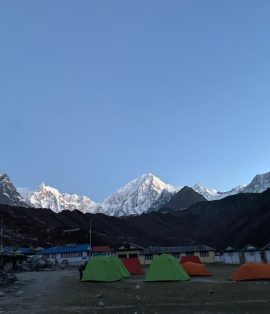
Manaslu blends Hindu lowlands with Tibetan Buddhist highlands. Villages like Lho, Samagaon, and Samdo feature gompas, prayer wheels, chortens, and mani stones.
Cultural Norms:
- Respect monasteries: Remove shoes, walk clockwise, no photos inside without permission.
- Greet with “Namaste” or “Tashi Delek”; use right hand for giving/receiving.
- Dress modestly (cover shoulders/knees in villages).
- Avoid pointing feet at people or sacred objects.
- Support locals: Buy from community shops, use eco-friendly practices.
- Tea houses are family-run-be patient, tip guides/porters fairly.
Expect warm hospitality but limited English in remote areas. Guides bridge gaps.
Common Mistakes to Avoid
First-timers often learn from others:
- Overpacking: Heavy bags tire you; leave non-essentials.
- New boots: Break them in to prevent blisters.
- Skipping acclimatization: Ignoring rest days invites AMS.
- Poor fitness: Train 2-3 months with hikes, cardio, stairs.
- Ignoring weather: Check forecasts; pack for cold/rain.
- Rushing the pass: Early starts, but don’t push if unwell.
- Solo without guide: Illegal; join groups.
- Underestimating remoteness: Limited Wi-Fi, power, hot showers-embrace simplicity.
By avoiding these, your trek becomes smoother.
Preparing for the Manaslu Circuit rewards with unforgettable views, personal achievement, and cultural depth. Start training, gather gear, and book with a reputable agency. The mountains await-stay safe, respect the land, and enjoy every step.

Comments are closed