

Manaslu with Tsum Valley Trek: A Spiritual Himalayan Adventure
Imagine waking up to the sound of chanting monks echoing through a crisp, high-altitude morning. Outside your window, towering snow-capped peaks catch the first golden rays of the sun. There are no roads, no crowds, and no Wi-Fi signals to distract you. Just you, the majestic Himalayas, and a deep sense of peace.
If you are searching for an adventure that challenges your body while feeding your soul, the Manaslu with Tsum Valley Trek is the ultimate journey. This trail takes you far away from the busy routes of Everest and Annapurna, guiding you into a mystical, hidden world. Combining the wild, dramatic landscapes of the Manaslu Circuit with the ancient, untouched Tibetan culture of the Tsum Valley, this trek is more than just a holiday it is a spiritual awakening.
At Lynx Adventure Tour, we believe that the best journeys change how you see the world. Let’s dive into what makes this specific Himalayan adventure so incredibly special, and what you can expect when you hit the trail.
Why Choose the Manaslu with Tsum Valley Trek?
Nepal has dozens of incredible trekking routes, so why pick this one? The answer lies in its perfect blend of physical challenge, breathtaking scenery, and deep cultural immersion.
Step Back in Time in the “Hidden Valley”
Tsum Valley was completely closed to foreign trekkers until 2008. Because of this long isolation, the valley has preserved its ancient culture, traditions, and art in a way that very few places on Earth have. Known as a “Beyul” (a sacred, hidden valley where physical and spiritual worlds meet), Tsum Valley is a sanctuary of peace. You will walk past ancient chortens (shrines), Mani walls carved with prayers, and colorful prayer flags fluttering in the mountain breeze. Blood sacrifices and hunting have been strictly banned here for over a century, making it a true haven for wildlife and non-violence.
The Majestic Manaslu Circuit Experience
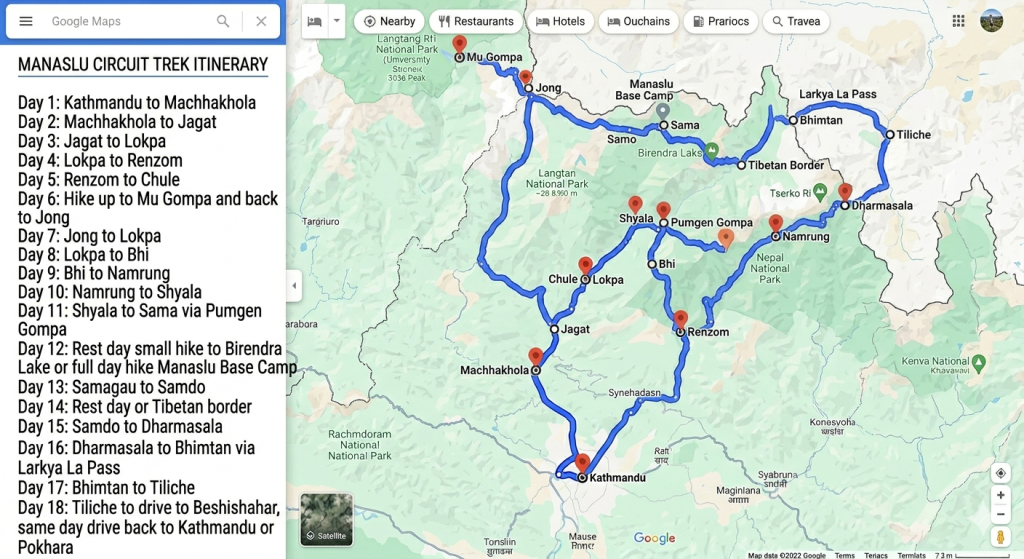
While Tsum Valley offers peace and spirituality, the Manaslu Circuit portion of the trek brings the grand, epic adventure. Mount Manaslu is the eighth-highest mountain in the world, standing proudly at 8,163 meters (26,781 feet). The trail wraps around this colossal peak, taking you through deep river gorges, lush subtropical forests, and barren, icy landscapes. The ultimate test comes when you cross the famous Larkya La Pass at 5,106 meters (16,752 feet). The panoramic views from the top of the pass are a reward you will remember for the rest of your life.
Highlights of the Journey
When you embark on the Manaslu region trekking experience, every single day brings a new surprise. Here are some of the unforgettable highlights you will encounter:
- Exploring Ancient Monasteries: You will visit Mu Gompa (the highest monastery in the region) and Rachen Gompa. These spiritual centers are home to devoted monks and nuns who are incredibly welcoming to respectful visitors.
- Milarepa’s Cave: Step inside the sacred cave where the famous Tibetan poet and saint, Milarepa, is believed to have meditated in the 11th century. The energy here is undeniably powerful.
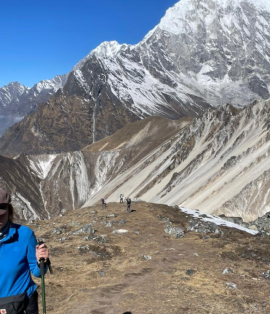
- Crossing Larkya La Pass: Conquering this high-altitude mountain pass is a thrilling achievement. The sweeping views of Cheo Himal, Himlung Himal, and Kang Guru from the summit are simply breathtaking.
- Rich Wildlife: Because hunting is prohibited in the Tsum Valley, you have a high chance of spotting rare Himalayan wildlife, including the elusive snow leopard, blue sheep (Bharal), and Himalayan tahrs.
- Authentic Teahouse Culture: Experience the warmth of local hospitality. You will stay in family-run teahouses, eat hot Dal Bhat cooked over a fire, and swap stories with fellow trekkers and local guides.
What to Expect on the Trail: A Story of Ice and Faith
Trekking the Manaslu circuit with Tsum valley is an exercise in contrasts. You will start your journey low in the warm, humid foothills, walking through terraced green farm fields and dense forests echoing with bird calls. The mighty Budhi Gandaki River will be your constant companion, roaring through deep gorges below you as you cross thrilling suspension bridges swaying high in the air.
As you diverge off the main Manaslu trail and enter the Tsum Valley, the landscape and the atmosphere suddenly shift. The gorge narrows. The air grows cooler and thinner. Pine forests give way to alpine tundra. You will begin to notice the distinct Tibetan influence in the architecture of the stone houses and the traditional dress of the local people, known as the Tsumbas.
The days in Tsum Valley feel slower. You might find yourself sharing a cup of butter tea with a local farmer or listening to the rhythmic hum of a prayer wheel spinning in the village square. It is a place that forces you to slow down, breathe deeply, and be completely present.
After retracing your steps back to the main trail, the journey shifts gears. The ascent toward Larkya La Pass requires grit and determination. The terrain turns into a moonscape of rock, ice, and glaciers. The morning you tackle the pass, you will wake up long before dawn. Walking under a canopy of millions of stars, with only the beam of your headlamp lighting the snow, is a magical experience. Reaching the top, decorated with thousands of prayer flags, brings a rush of adrenaline and often, tears of joy.
Practical Travel Tips for the Tsum Valley & Manaslu Region
A spiritual trek in the Himalayas requires good planning and preparation. Here is what you need to know before you go:
1. Permits and Regulations
This is a restricted area, which is great news because it keeps the crowds away! However, it means you cannot trek alone. You are required to have a registered guide and a minimum of two trekkers in your group. You will need a Manaslu Restricted Area Permit, a Tsum Valley Restricted Area Permit, plus the standard ACAP (Annapurna Conservation Area Project) and MCAP (Manaslu Conservation Area Project) permits. Lynx Adventure Tour handles all of this paperwork for you.
2. Best Time to Go
The ideal seasons for this trek are Spring (March to May) and Autumn (September to November).
- Spring brings blooming rhododendrons and warmer, longer days.
- Autumn offers the clearest, crispest skies for those perfect mountain photographs.
- Winter is incredibly harsh and many teahouses close, while summer brings heavy monsoon rains that can wash out the trails.
3. Physical Fitness
This is considered a strenuous trek. You will be walking for 14 to 20 days, covering 5 to 8 hours of hiking per day over uneven terrain, and reaching altitudes above 5,000 meters. You do not need technical climbing skills, but you do need excellent cardiovascular fitness and strong legs. Start running, cycling, or doing long hikes with a loaded backpack a few months before your trip.
4. What to Pack
Pack light but pack smart. Layering is the golden rule in the Himalayas. You will need moisture-wicking base layers, a warm fleece, and a high-quality down jacket. A waterproof outer shell is essential. Make sure your hiking boots are broken in before you arrive in Nepal! Don’t forget a warm sleeping bag, a reliable power bank, and water purification tablets to reduce plastic waste on the trail.
Frequently Asked Questions (FAQs)
1. How long does the Manaslu with Tsum Valley Trek take?
The trek usually takes between 18 to 22 days, depending on your specific itinerary and acclimatization needs. It is a long journey, but every day is worth it.
2. Is it safe to trek in the Tsum Valley?
Yes, it is very safe. The trails are well-maintained, and the locals are friendly and peaceful. The main risks are altitude sickness and unpredictable weather, which is why trekking with an experienced, medically trained guide from Lynx Adventure Tour is essential.
3. Do I need to carry my own heavy backpack?
You have the choice. You can carry your own gear if you want the extra challenge, but we highly recommend hiring a local porter. Not only does this make your trek much more enjoyable and less exhausting, but it also provides crucial employment for the local mountain communities.
4. What is the accommodation like on the trail?
You will stay in traditional “teahouses.” These are basic but comfortable mountain lodges. You get a private room with twin beds and warm blankets. Bathrooms are usually shared, and as you get higher up the mountain, hot showers might cost a few extra dollars or be unavailable.
5. How do I prevent altitude sickness (AMS)?
The key to preventing Acute Mountain Sickness (AMS) is “climb high, sleep low” and pacing yourself. Walk slowly, drink plenty of water (at least 3-4 liters a day), and never skip your scheduled acclimatization days. Our itineraries are strictly designed with altitude safety in mind.
Ready to Step into the Hidden Valley?
The Manaslu with Tsum Valley Trek is not just a vacation; it is a pilgrimage into the heart of the Himalayas. It is a chance to disconnect from the noise of modern life and reconnect with nature, history, and yourself. You will return home with stronger legs, a calmer mind, and a camera full of memories that look like they belong in a National Geographic magazine.
Are you ready to discover the magic of the hidden valley and conquer the mighty Larkya La Pass? Let us guide you there safely and comfortably. Contact Lynx Adventure Tour today to start planning your personalized, unforgettable Himalayan adventure. We can’t wait to show you our beautiful country!



Comments are closed